

To hit or not to hit? What factors influence truck drivers’ decisions when encountering wildlife on Brazilian roads?
Written by M. Catapani & A.L.J. Desbiez
July 25th, 2026
Where and when are animals killed on roads? Which species are most affected? What features of the landscape and road increase collision risk? Transport ecology has generated essential knowledge about the biophysical factors associated with wildlife mortality, but far less attention has been given to the other side of the collision: the person behind the wheel.
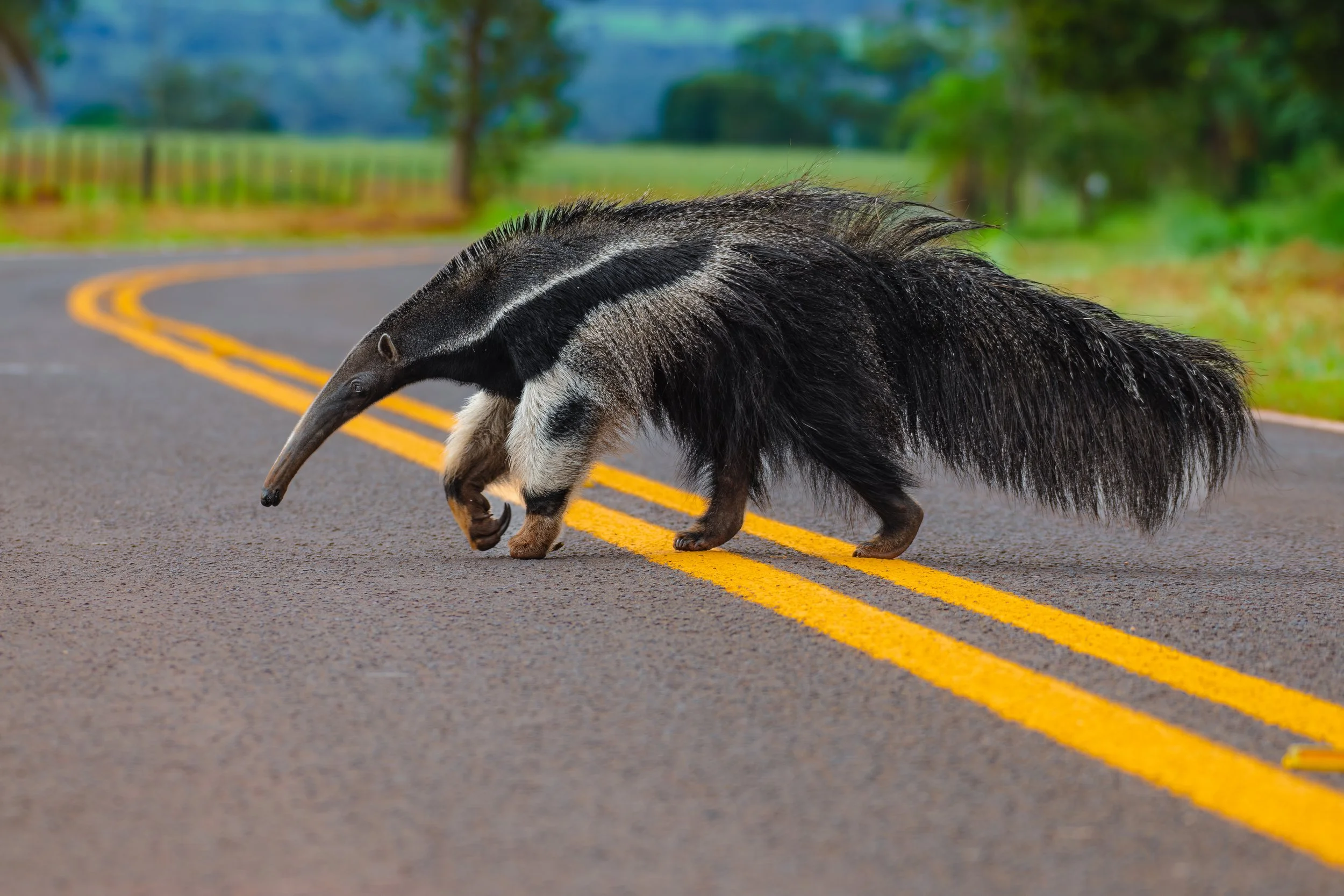
Figure 1: A giant anteater crossing a road in Mato Grosso do Sul state, Brazil. Photo: Luiz Felipe Mendes.
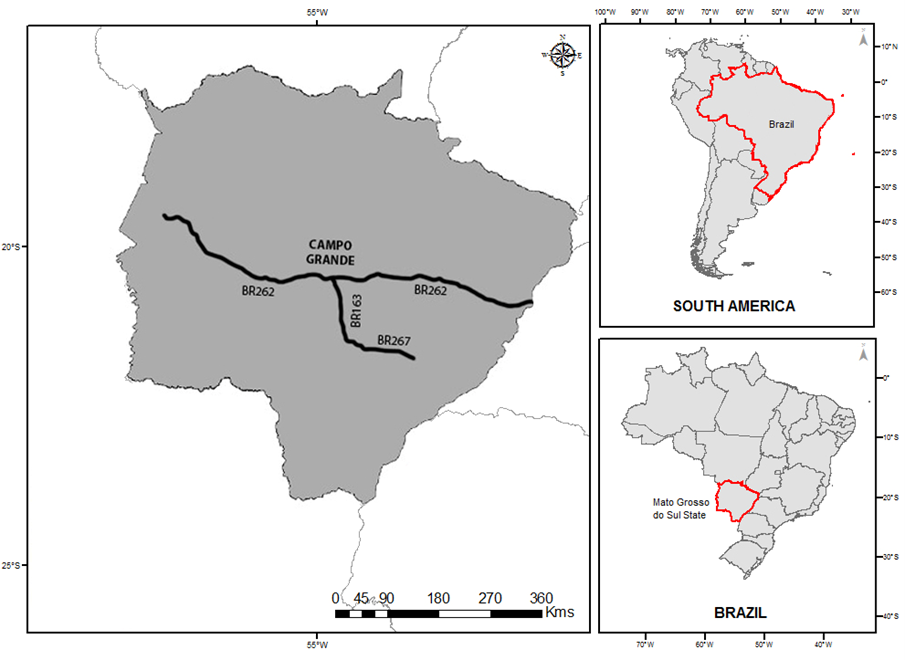
Figure 2: Location of the three roads in Mato Grosso do Sul in Brazil, where data were collected.
When an animal appears on the road, a driver has only seconds to decide whether to brake, swerve or maintain their course. But what shapes that decision: the animal encountered, the emotions it evokes, the risks of each response, or even a deliberate intention to hit the animal? Drawing on psychological theory, we examined how truck drivers respond to wildlife encounters along three highways in the state of Mato Grosso do Sul, Brazil (Figure 2). These roads cross wildlife-rich areas of the Cerrado and Pantanal (Figure 3) and are heavily used by truck drivers (Figure 4), making this group central to understanding wildlife–vehicle collisions.
What happens when an animal appears on the road?
We first interviewed 82 truck drivers to understand how they perceived wildlife encounters and the risks associated with braking, swerving or maintaining their course. These interviews revealed five recurring psychological dimensions that could shape their decisions: attitudes towards species, attitudes towards hitting an animal, emotions, perceived risks of avoiding a collision, and perceived risks of hitting the animal (Figure 5).
Based on these findings, we developed a questionnaire completed by a further 117 truck drivers, with hypothetical scenarios involving snakes, armadillos and giant anteaters. Because these animals elicited contrasting perceptions — from fear and aversion to neutrality, admiration and conservation concern — we investigated whether such differences helped explain drivers’ intentions to hit or avoid each animal.
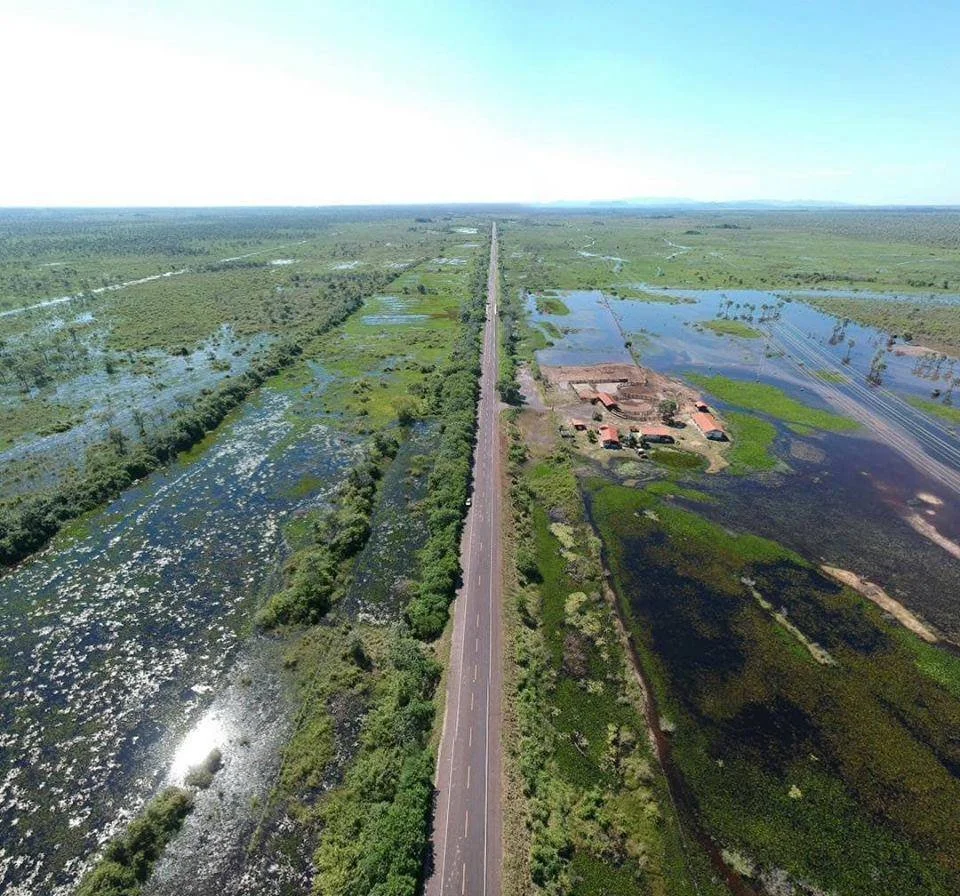
Figure 3: BR-262 highway in Mato Grosso do Sul, Brazil, along the section that crosses the Pantanal. Photo Anteaters & Highways Project archive.
Avoiding the animal may seem more dangerous
Although truck drivers perceived snakes, armadillos and giant anteaters differently, these differences were not the main factor shaping their intended responses when faced with a potential wildlife-vehicle collision. Even drivers who valued wildlife often felt that avoiding a collision was not viable. Many described their response as “hold steady and keep going” — keeping a firm grip on the steering wheel and maintaining a straight course. For heavy trucks, sudden braking or swerving can be dangerous, increasing the risk of rollovers, leaving the road or collisions with other vehicles. Maintaining course, therefore, did not necessarily indicate indifference or an intention to hit the animal, but was often perceived as the safest option under severe safety constraints.
Empathy is not enough
These findings have important implications for conservation. Awareness campaigns can promote preventive behaviours, such as reducing speed, increasing vigilance, avoiding night-time travel where possible and not discarding waste that may attract animals to the road. However, campaigns focused on empathy or concern for species conservation may have a limited impact. Generic messages such as “protect wildlife” or “I brake for animals” may therefore be insufficient, and even unfair, if they place responsibility on drivers for situations largely shaped by the absence of appropriate mitigation infrastructure, such as fencing and wildlife crossing structures.
From roadkill to collisions: considering both sides of the impact
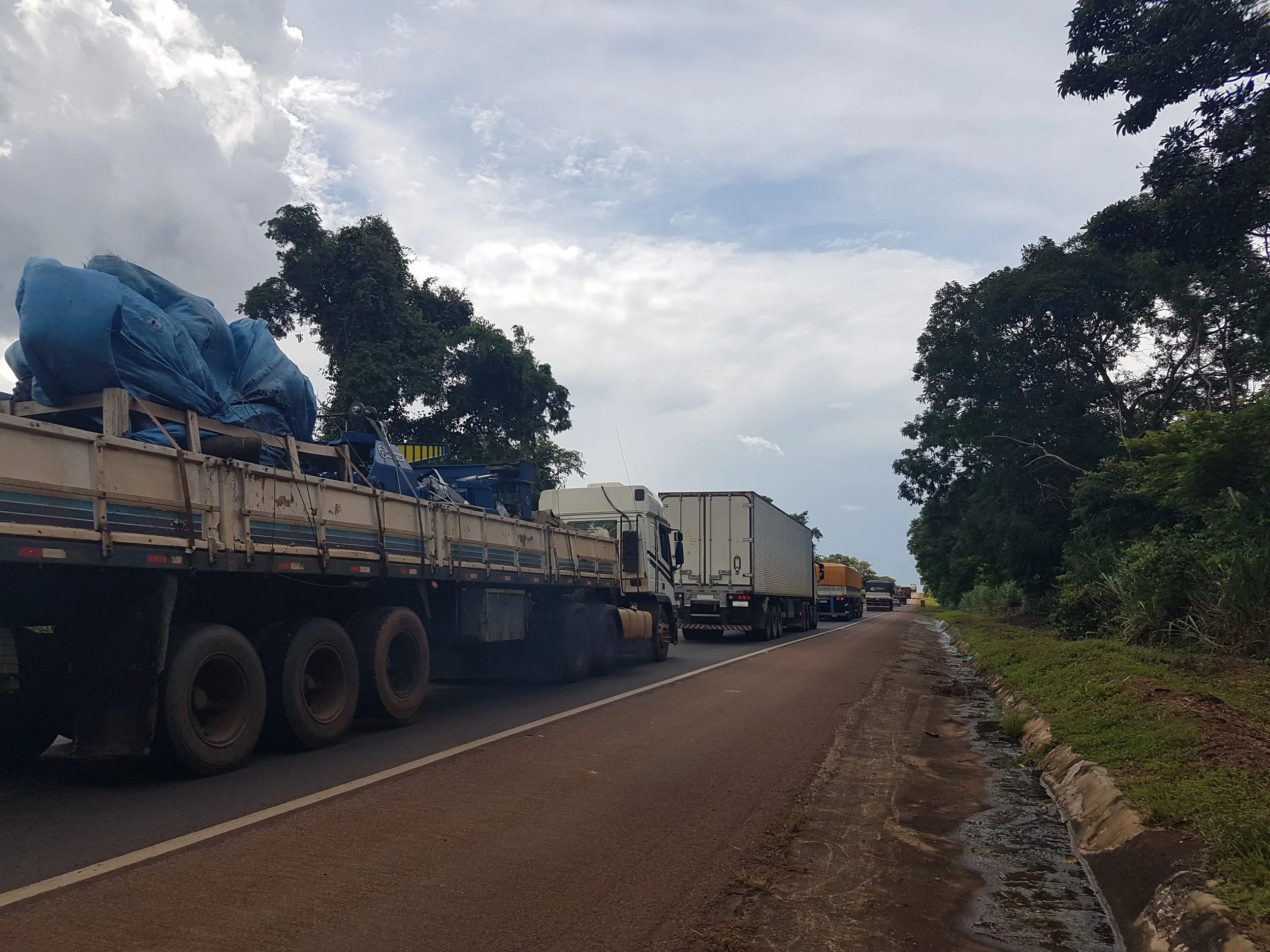
Figure 4: BR-262 highway in Mato Grosso do Sul, Brazil. Photo Anteaters & Highways Project archive.
Because drivers have little room to avoid impact once an animal is on the road, mitigation should focus on preventing animals from entering the road and road-reserve. Wildlife fencing, when properly designed, maintained and integrated with crossing structures, can keep animals off the road and guide them towards safer crossing points. This broadens the objective of mitigation. Rather than focusing only on roadkill and wildlife mortality, we need to prevent collisions in a more wholistic way. This shift recognizes the costs on both sides: animals may be killed or seriously injured, while drivers and passengers may also be injured, lose their lives, suffer material losses or experience psychological consequences. Focusing on collisions also changes how we think about solutions. Mitigation is no longer solely a wildlife conservation strategy; it becomes part of a broader road-safety agenda in which biodiversity conservation and human safety must be addressed together. This allows us to see drivers not as the primary threat, but as essential stakeholders in understanding the problem and developing solutions.
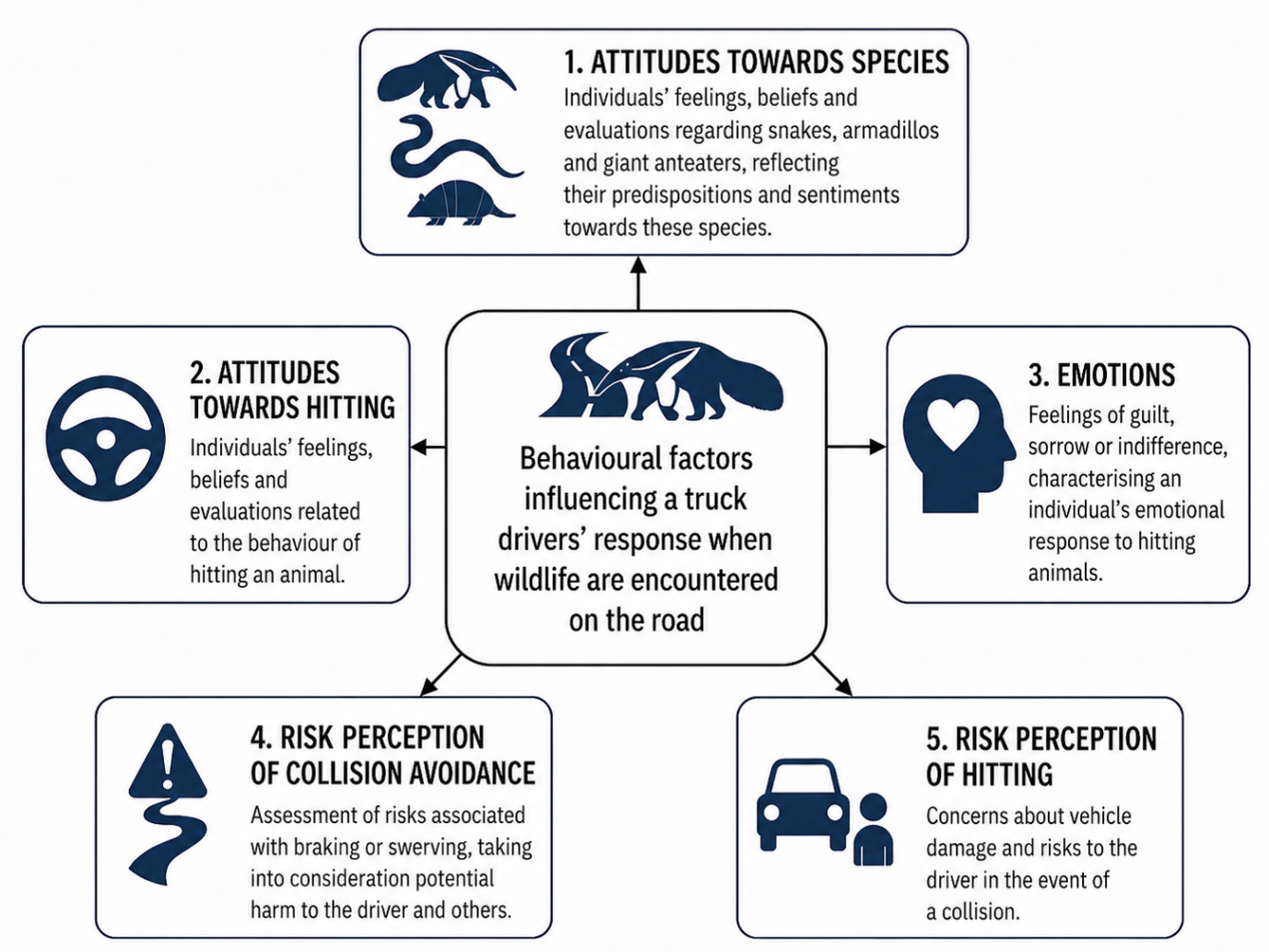
Figure 5: The five psychological dimensions that truck drivers experience when faced with a potential wildlife-vehicle collision.
The Anteaters & Highways Project
This research was conducted as part of the Anteaters & Highways Project, led by the Wild Animal Conservation Institute (ICAS) in Mato Grosso do Sul, Brazil, since 2017. The findings helped broaden the project’s focus from wildlife mortality to collision prevention, placing road safety and multi-sectoral collaboration at the centre of mitigation planning. This shift now guides the project’s vision: building roads that are safe for all — wildlife and people. Learn more at https://www.icasconservation.org.br/projects/giant-anteater/?lang=en.
Author information
Mariana Catapani coordinates the Department of Social Research and Human–Wildlife Coexistence at the Wild Animal Conservation Institute. She is a coexistence scientist and practitioner passionate about unravelling the social, psychological, and symbolic dimensions of human–wildlife relationships. She specialises in applying this knowledge to design integrative, evidence-based strategies that promote coexistence. E-mail: maricatapani@gmail.com
Arnaud L. J. Desbiez is the President & Founder of the Wild Animal Conservation Institute. He is a conservation zoologist and coordinates the Giant Armadillo Conservation Program and the Anteaters and Highways Project, leading long-term research and applied conservation initiatives focused on threatened wildlife. E-mail: adesbiez@hotmail.com
Source citation
Catapani, M. L., St. John, F. A. V., Desbiez, A. L. J., & Morsello, C. (2026). To hit or not to hit: The psychological dimensions of wildlife-truck collisions in Brazil. Biological Conservation, 313, 111569. https://doi.org/10.1016/j.biocon.2025.111569
Editor:
Rodney van der Ree
Cite this summary:
Catapani, M. & Desbiez A.L.J. (2026). To hit or not to hit? What factors influence truck drivers’ decisions when encountering wildlife on Brazilian roads? Edited by van der Ree, R. TransportEcology.info, Accessed at: https://transportecology.info/research/driver-decision-making-in-wvc