
Research
Making scientific research accessible
Here, you’ll find easy-to-read summaries of scientifically rigorous, evidence-based and peer-reviewed publications from around the world to help you better plan, build, and manage ecologically sustainable linear infrastructure.
Research summaries are listed chronologically according to when they were published here.
To find information on a specific topic, please use the SEARCH function below to filter by keywords, including topic, species, location and/or author.
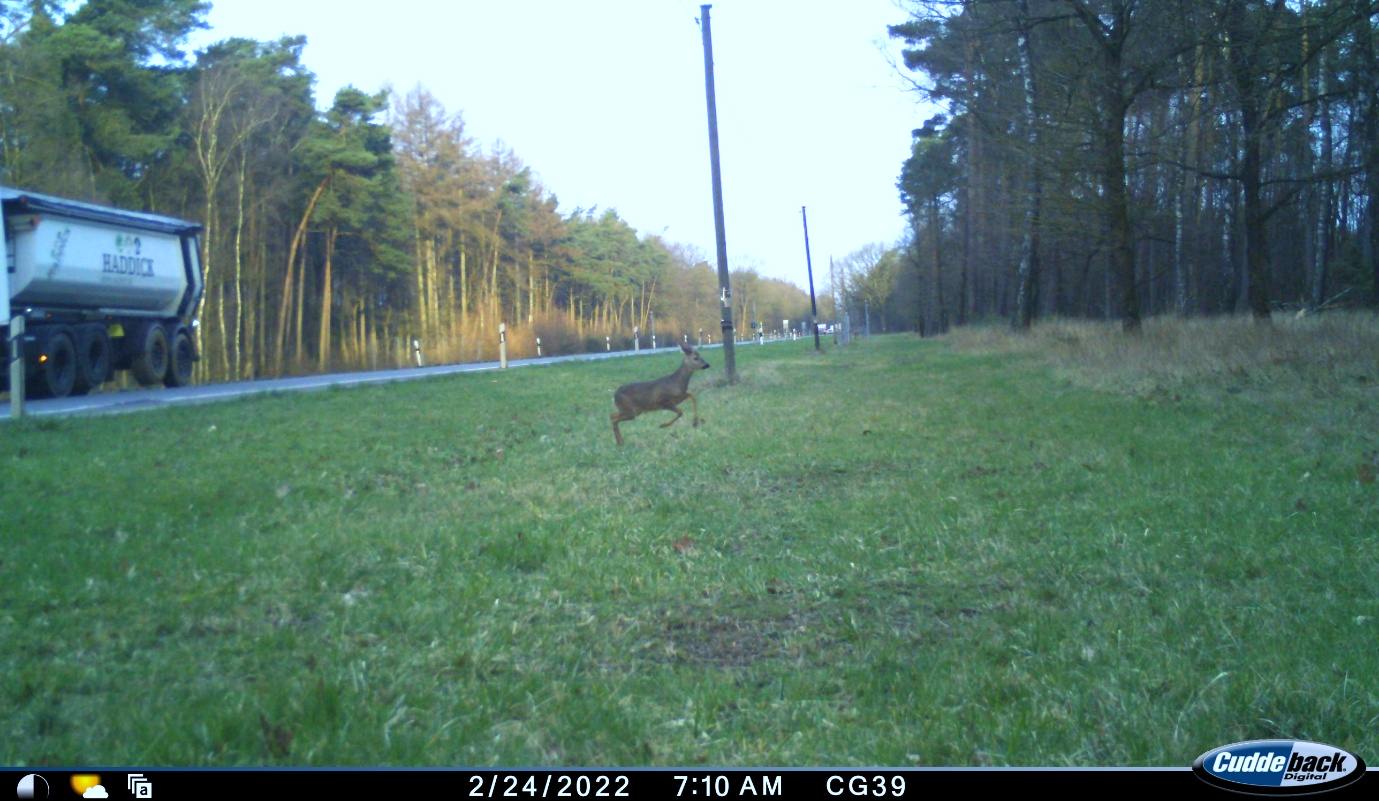
Rethinking traffic thresholds in wildlife-vehicle collision risk
The risk of wildlife–vehicle collision is typically estimated using static measures like average daily traffic volume, road type and vehicle speed. However, these measures fail to capture how traffic and animal activity varies throughout the day and across seasons, which can dramatically underestimate the risk and fail to mitigate effectively.
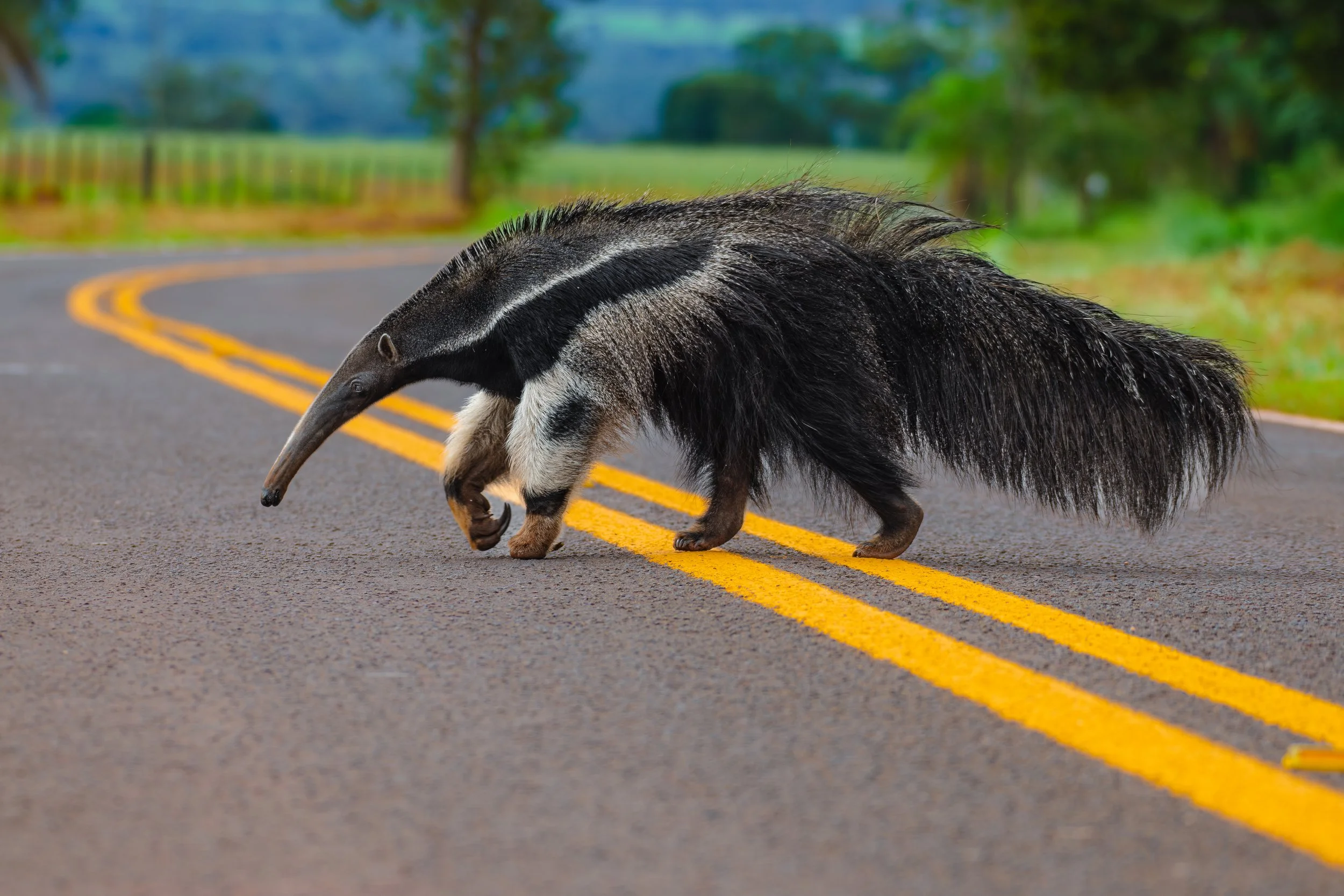
To hit or not to hit? What factors influence truck drivers’ decisions when encountering wildlife on Brazilian roads?
When wildlife appears on the road, truck drivers have only seconds to decide whether to brake, swerve or maintain their course, even when this may mean hitting the animal. Drawing on psychological theory and interviews with truck drivers in Brazil, our study examines what shapes these split-second decisions and what this means for reducing wildlife–vehicle collisions.
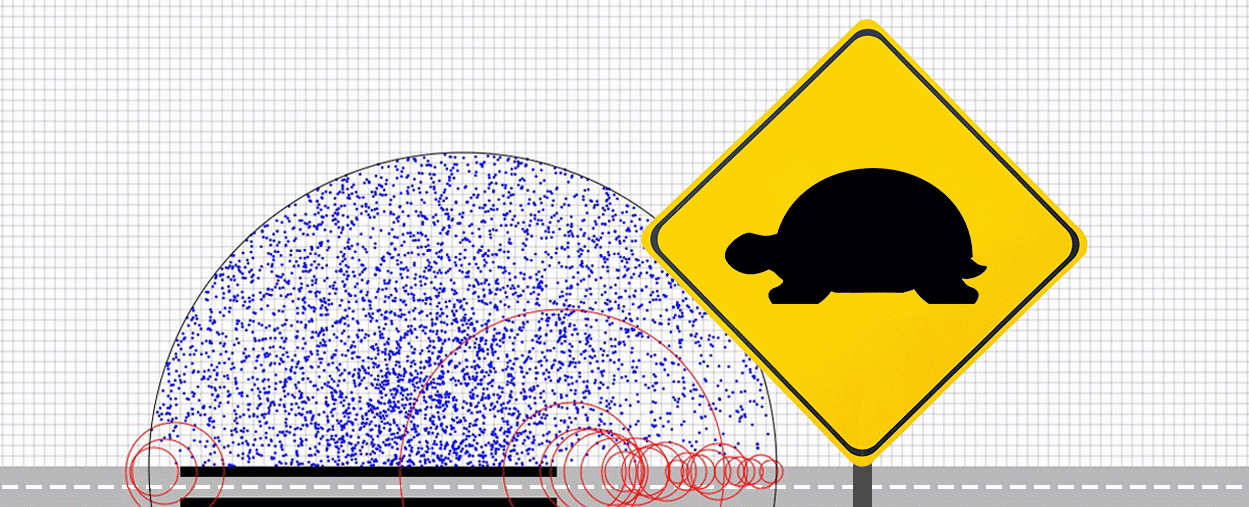
Predicting the Effectiveness of Wildlife Fences Along Roads: How Long is Long Enough?
Wildlife fences that are too short often fail because of the fence-end effect, where roadkill ‘hotspots’ are simply shifted to new locations just beyond the end of the fence. Using wood turtles as a model species, we investigated how fence effectiveness depends on the length of the fence and developed a tool for practitioners to determine how long their fences need to be in order to be effective.

The toll of the automobile: A landmark study in road ecology
In 1925, Dayton Stoner conducted what we believe was the first systematic investigation into the ecological impacts of roads. His article offers a historical glimpse into the origins of road ecology, a field that continues to grow in importance a century later.

Roads are a severe threat to apex predators across the globe
Apex predators play critical roles in maintaining ecosystem health, but our meta-analysis on 36 species from around the world found all are affected by roads, and particularly in Asia. Proposed road projects in the Brazilian Amazon, Africa and Nepal will affect roughly 500 protected areas and threaten what little remains of apex predator’s core habitats, driving many species closer to extinction. Better planning to avoid such areas is urgently needed.